
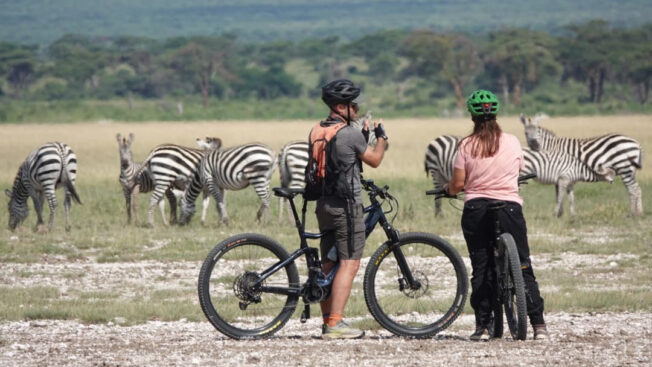
Tanzania – The Great Rift Expedition
A great ‘bush camping’ adventure exploring the stunning Nyerere and Ruaha game reserves.
From £7500


This snow leopard journey has been designed to deliver a lovely combination of wildlife, culture, and history. This is a journey into the heart of the Himalayas, where you’ll seek one of the planet’s most elusive creatures. An expedition that blends adventure, conservation and cultural exploration.
Using the premium and best located accommodation in Ladkah – LUNGMAR we will have access to both wilderness and Ladakhi cultural treasures.
This itinerary has currently offered a 100% success rate to see snow leopards.
All tours are led by experienced local guides who possess extensive knowledge of the terrain, weather conditions, and wildlife behavior. Their expertise is crucial in navigating the rugged landscapes safely and effectively.
On this once in a life time experience you will be led by one of the worlds’ most experienced snow leopard expedition leaders Behzad J. Larry and Snow Leopard expert, biologist and Snow Leopard Trust ‘explorer in residence’ Dan O’Neill.
In Hemis National Park’s remote, snow-covered landscapes, you’ll witness snow leopards in their natural habitat – experiencing both the tracking of these mountain ghosts to understanding their ecosystem significance. .
Whether you’re a wildlife enthusiast, adventurer, or conservationist, these expeditions offer unforgettable
memories and a deeper love for nature’s wonders.
Price: £9,395 / $11,850 pp – Twin Share in Kurkhang Tents
Excludes international flights.
Single Supplement Kurkhang Tent: + £2,400 ($3,045)
UPGRADE TO PREDATOR SUITE:
Twin Share: + £3,325($4,066) pp
Single Supplement in King / Twin Predator Suite: + £8,995 ($10,995) pp
Single Supplement in Single Predator Suite: +£6,995 ($8,525) pp


Day 1
We will pick you up at the airport, and then transfer you to your selected hotel.
Overnight at Cara Lodge.
Day 2
Following breakfast at the hotel we head to the airport at 11:30 for a scheduled flight over the Demerara and Essequibo
Rivers and hundreds of miles of unbroken tropical rainforest to land at Kaieteur Falls, the world’s highest free-falling
waterfall. At 228 meters, Kaieteur is nearly five times the height of Niagara Falls.
Optional Tours:
Birding in Georgetown’s Botanical Gardens
0545hrs pick up and transfer to the extensive Georgetown Botanical Gardens. Details at end of itinerary.
Evening Seawall, bars and street food experience
Details at end of itinerary.
Dinner at Aagman Indian Restaurant
Details at end of itinerary
Day 3
Today after breakfast we take the scheduled flight for journey over miles of tropical rainforest to land in the Rupununi.
Transfer by 4×4 vehicle or 4×4 Bedford Truck to Iwokrama River Lodge.
Explore the trails around the lodge with an Iwokrama Ranger. Iwokrama is home to many bird species including Capunchinbird, Black Nunbird, Chestnut-rumped Woodcreeper, Amazonian Antshrike, Brown-bellied Antwren, Spot-tailed Antwren, Todd’s Antwren, Spotted Puffbird, Green Aracari, Guianan Toucanet, Guianan Red Cotinga, Pompadour Cotinga, Rufous-crowned Elaenia, Bronzy Jacamar, Chestnut & Waved Woodpecker, Gray Antbird, and Strong-billed Woodcreeper. Three other Neotropical species in the Iwokrama forest of high interest are White-winged Potoo, Rufous Potoo, and Rufous-winged Ground-cuckoo.
The forest is also home to many mammals and you may see Red-rumped Agouti and various species of monkey including Red Howler, Black Spider and Wedge-capped and Brown Capuchins.
After dark we’ll set out on the river, in hope of finding one of its four species of caiman, and listen for night birds such as Spectacled Owl, White-winged Potoo, Rufous Potoo, Long-tailed Potoo, Zigzag Heron or Blackish Nightjar. You may see one or more of the four species of caiman, and most certainly snakes including Cox boa, tree frogs and if lucky maybe some mammals. Maybe even a puma or capybara.
The Iwokrama River Lodge is set overlooking the Essequibo River. Accommodation is offered in eight spacious timber cabins with shingle roofs, bathroom facilities, and veranda overlooking the river. Running water and flush toilets are standard; however, water is not heated (and rarely desired in the tropical heat).
Electricity is provided by a combination of solar and diesel generator systems, and wireless internet access is provided for free in the main building. Meals are served buffet-style in the Fred Allicock dining hall, where you can mingle with the rangers, administrative and scientific staff.
Day 4
Making an early start, we’ll embark on the Essequibo and circumnavigate nearby Indian House Island, before returning to the River Lodge for breakfast.
Leave the lodge by boat, bird watching along the way, for the hike to Turtle Mountain. A well maintained trail winds through the forest before an exhilarating climb up the mountain to its summit at 935ft (approx. 360m). It takes 1 3/4hrs to walk up the mountain, but the effort is more than worth it for the breath taking views over the forest canopy when you get there and chances of Green Aracari, White Bellbird or a fly-by of one of five types of eagles. This trail is also a great location for seeing Black Spider Monkey and Red Howler Monkey and if you are very lucky even a Jaguar. This pristine forest offers huge buttress trees and the endemic Greenheart, a highly sought after hardwood. If you think this hike may be too strenuous you can take an alternative boat trip to Stanley Lake to search for Giant River Otters and Black Caiman.
As the afternoon cools you set out on a boat trip to visit Kurupukari Falls to see the Amerindian petroglyphs (dependent on the water level).
Day 5-12
Explore the trails around the lodge with an Iwokrama Ranger.
Transfer by 4 x 4 along the trail that is one of the best places to see the elusive Jaguar. The Iwokrama forest is rapidly gaining an international reputation for its healthy jaguar populations that seem not to be troubled by the appearance of curious humans. No promises, but many have been lucky! Along the road, we will watch for the myriad of bird species that frequent the forest edge, including Crimson and Purple-necked Fruit-crow, Crimson Topaz, Green Oropendula, Spotted and Guianan Puffbird, Scarlet and Red-and-Green Macaw, Blue-cheeked and Orange-winged Parrot and Gray-winged Trumpeter. This road is the only north – south access in Guyana and links the country to Brazil. Even so traffic is only very occasional and wildlife is often seen along the road, such as Agouti, Tayra, Puma, Tapir and Black Curassow. The journey concludes at the Iwokrama Canopy Walkway.
The Iwokrama Canopy Walkway is situated at Mauisparu, near the southern boundary of the Iwokrama Reserve in central Guyana. The walkway has four suspension bridges leading to three platforms, the highest of which is over 30 metres above the ground, and these will allow great looks at a range of canopy species, many of which you would struggle to see well from the forest floor. Amongst the likely highlights are Painted, Brown-throated and Golden-winged Parakeets, Caica Parrot, Guianan Puffbird, Waved and Golden-collared Woodpeckers and Spot-tailed, Todd’s and Ash-winged Antwrens. The walkway is also an excellent place to look for various species of cotinga including the poorly known and range-restricted Dusky Purpletuft and if there are any suitable fruiting trees nearby, you stand a good chance of seeing this bird, as well as the more widespread Purple-breasted Cotinga.
Another area where we will want to spend some time is the clearing around the lodge, as this is one of the best places to see another of Guyana’s “must see” birds, the Crimson Fruitcrow. This species is seen here on a reasonably regular basis, as it often comes to feed in some of the nearby trees. The clearing is also a reliable site for Black Curassow as there is a family party which has become habituated to people and regularly passes through the clearing. With reasonable luck, you should be able to add this bird to the impressive list of species you will see around the lodge and walkway.
Atta Rainforest Lodge is 500 metres from the base of the Canopy Walkway, offering comfortable private-room accommodation with ensuite bathrooms, delicious home-cooked meals, and traditional Amerindian hospitality. The lodge is completely surrounded by tropical rainforest which offers a complete immersion in the rainforest experience. The main building is open sided with views across the gardens to the towering forest on all sides and houses the bar, dining area and kitchen.
Day 13
Before dawn we will return to the canopy where we can birdwatch easily and may see Rufous-throated Sapphire, Green Aracari, Pygmy Antwren and Guianan Streaked-Antwren. With some luck Guianan Toucanet, Pompadour Cotinga, Buff-cheeked Greenlet and a host of crown specialists may come within our view. From this tree top vantage you can sometimes see Red Howler Monkeys and Black Spider Monkeys.
Apart from the Iwokrama Canopy Walkway itself you can enjoy wildlife and bird watching walks on the trails around the area. For those interested in botany many of the trails have the key trees species marked. Many bird species, stunning insects, noisy amphibians, and playful primates make the surrounding forest their home and you can be fairly certain to spot some extraordinary wildlife without even trying too hard. Deer and agouti are also regular visitors to the lodge. Serious birders will want to search the undergrowth for the rarely seen Rufous-winged Ground-cuckoo.
As dark falls on the canopy walkway, you may see the White-winged Potoo Night walks are also possible and something interesting or new always seems to pop on to the scene including the occasional jaguar (panthera onca) along the transnational road near the lodge.
Day 14
Welcome the dawn chorus from the canopy walkway. Short-tailed Nighthawks settle in for the day, Swifts take to the sky, White throated and Channel-billed Toucans yodel, and Barred Forest Falcons call. Birdwatch from the mid and upper canopy on the walkway as flocks travel past and look for Paradise Jacamar, White-necked Puffbird, Yellow-throated Woodpecker, Black-tailed and Black-crowned Tityras. Or you can bird along the jungle trails where antbird flocks include White-plumed Antbird, Spot-winged Antbird, Ferruginous-backed Antbird, Long-billed Antwren, McConnell’s Flycatcher, Gray-crowned Flycatcher, Plain Xenops and Wedge-billed Woodcreeper.
Return to the lodge for breakfast before departure. Transfer from Atta Rainforest Lodge through the rainforest to Corkwood in the Iwokrama Forest. Here there is a comparatively short trail to a trail to hopefully see the amazingly brilliant Guianian Cock-of-the-rock. This trail is through interesting forest and the guides can show the use of the plants. Then continue the journey to the community of Surama.
The Amerindian community of Surama is located in the heart of Guyana. The village is set in five square miles of savannah which is ringed by the forest covered Pakaraima Mountains. Surama’s inhabitants are mainly from the Macushi tribe and still observe many of the traditional practises of their forebears.
This isolated and idyllic location offers an escape from the concrete jungle to a serene and peaceful existence with nature. The guides have lived their entire lives in the rainforest, and have an incredible understanding of nature and how to utilise its resources.
On arrival in Surama you will receive a warm welcome from local staff and settle into your accommodation at the Surama Eco-lodge. A local guide will escort you for a short walk on trails to observe the forest and bird life.
As the afternoon cools take for a three-mile walk across the savannah and through the rainforest to the Burro Burro River. This is the best time to observe bird and wildlife along the trail. Your guides will then paddle you on the Burro Burro River for opportunities to observe Giant River Otters, Tapir, Tira, Spider Monkeys and many more species.
Tonight, enjoy an educational walk to observe wildlife and experience the mystique of the forest after dark. Make sure to bring your flashlights to look for the eyeshine of the creatures of the night.

Whatever you want from your trip, our team of experts are ready to help.
Submit your review | |
"*" indicates required fields


