Inside Sri Lanka & Wildlife
Discover Weligama’s coastal charm, where dolphins and whales thrive, on this unforgettable 9-day journey.
From £1995


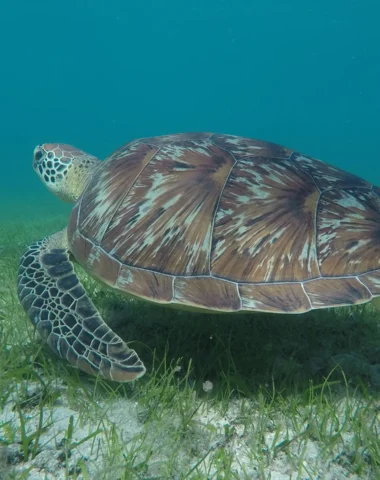
Sri Lanka, located in South Asia, is known as the ‘pearl of the Indian Ocean’ due to its unique shape and incredible beauty. Sri Lanka has the highest biodiversity in Asia. In terms of ocean wildlife, it is home to the world’s highest concentration of whales and dolphins. And on land the Sri Lanca offers some of the world’s richest wildlife, such as in the area of Yala, which is famous for its magnificent elephants and leopards. You can therefore be assured that Sri Lanka will offer you wildlife experiences and memories like no other destination. Furthermore, Sri Lanka is home to six UNESCO World Heritage Sites, countless ancient cities and charming colonial architecture just waiting to be explored. Therefore, if you are searching for a trip full of adventures with unique and wonderful wildlife, ancient cultures like no other – you can trust Pioneer Expeditions to deliver an unforgettable holiday in this fascinating country.
Lying off the southern tip of India, the tropical island of Sri Lanka has attracted visitors for centuries with its natural beauty. Sri Lanka actually has two capital cities. The original capital was Sri Jayawardenepura Kotte and this where most of the administrative institutions exist including Parliament of Sri Lanka. However, when the British conquered Sri Lanka in 1815 they changed the administrative capital to Colombo, where it remained the capital of Sri Lanka for almost two centuries. Now Colombo is considered as the financial capital of the country and Sri Jayawardenepura Kotte is the administrative capital. Sri Lanka has a population of around 21 million. Sri Lanka’s highlands are defined by a series of escarpments, the most spectacular being the ‘Worlds End’ with a near vertical rock face of 1219 meters. Some of Sri Lanka’s highest mountains include Pidurutalagala at 2,524 metres, Kirigalpotta at 2395 metres and Adam ’s Peak (Sri Pada) at 2303 meters.
Sri Lanka’s political situation is more stable than it has been in the past. However, since the end of the military conflict in May 2009, there has been an increase in nationalism including at times anti-western rhetoric. In the past, there have been protests against the British High Commission and other diplomatic premises. Although no protests have so far been directed at the British community more generally, you should be vigilant and avoid demonstrations. This being said Sri Lanka is a safe country, and the threat against tourists is virtually unheard off. This is still a place where, despite 25 years of brutal civil war, in parts of the country the theft of two bicycles is considered a crime wave! Regarding security and safe ordinary common sense precautions should be taken ie. Avoid carrying valuables, do not carry too much cash, watch out for pickpockets (in busy areas – airports/markets), avoid walking around city centres at night
The main industries in Sri Lanka are textiles, tea, rice production, agricultural production and tourism. The tourism industries is growing rapidly in Sri Lanka and for centuries has been a popular place of attraction for foreign tourists.
Sri Lanka has two official languages; Sinhala and Tamil. Sinhala is spoken by 75% of the population whereas Tamil I only spoken by 25% of the population. However, these languages are very complex that even learning hello in Sinhala; “ayuboan”, and Tamil; “vanakkan” is seen as a great honour by the host. 15% of the population do speak English, and these are the people that tend to come into contact with tourists. Our Sri Lanka trip comes with an English speaking guide.
Buddhism is considered the state religion in Sri Lanka, with 70% of the country believing in this. However other religions include; Hinduism (12.6%), Islam (9.7%) and Roman Catholic (6.1%)
Sri Lanka can be visited year-round, although the best conditions vary across the island due to its two monsoon seasons. The south and west coasts are usually best between December and April, when the weather is generally drier and ideal for beaches and wildlife parks. The east coast is typically best from May to September, when seas are calmer and rainfall is lower.

“Sri Lanka offers a unique blend of coastal wildlife and rich culture. Along the southern shores, whale watching trips provide the chance to see blue whales, dolphins, and other marine life in their natural habitat. Inland, expertly guided cultural journeys explore Kandy’s temples, the rock fortress of Sigiriya, and lush tea plantations, where trekking through cooler highland climates gives a different perspective on the island. These trips can combine wildlife encounters, history, and immersive cultural experiences, revealing the many layers of Sri Lanka beyond the usual beach destinations.”

Whatever you want from your trip, our team of experts are ready to help.
These are trips which are perfectly created, organised, and lead specifically for you. If you are considering one of our wildlife, multi-activity adventures, small group trips or family holiday adventures then we would be delighted to design a tailormade itinerary, to meet your interests, travel dates and accommodation requirements. Just get in touch!
Learn MoreWe operate small group holidays for a maximum of 8-12 persons. As well as multi-activity trips we offer trekking trips, kayaking, rafting, wildlife, cycling and photography. These small group trips make ideal holidays for singles and couples, particularly for those wishing to visit Madagascar, the Galapagos islands, explore Borneo or kayak the Komodo Dragon islands, Indonesia.
Learn MoreWe are delighted to offer a number of specialist trips, depending on your interests. We organise a number of specialist holidays such as family adventure holidays that can be designed to meet the requirements for children of certain ages. We also design unique and interesting luxury holidays and honeymoon trips as well trips for celebrating special events and anniversaries.
Learn MoreTo enter Sri Lanka you must have an Electronic Travel Authorization (ETA). For further details and how to apply go to www.eta.gov.lk Providing you have the ETA your passport will then be endorsed on arrival with a “Visit Visa”, this will detail the dates and length of your stay.
The local currency is the Sri Lankan Rupee, divided into 100 cents (you rarely come across lower amounts). Beware of mistaking the Rs500 note for the somewhat similar Rs100 one. To check if notes are genuine look for a lion watermark. Coins, should you have receive them; will be in denominations up to Rs10. For your convenience we have partnered up with a currency exchange company that offer you next day delivery on any currency orders. Please note not all currencies are available. Order details along with any terms and conditions can be found at https://ttngtravel.money/pioneerexpeditions
Adequate travel insurance is mandatory for everyone who participates in a Pioneer Expedition; this will need to cover you for emergency medical evacuation. The sooner you book your insurance, the sooner you are covered if you have cancel your trip due to personal or family illness.
"*" indicates required fields