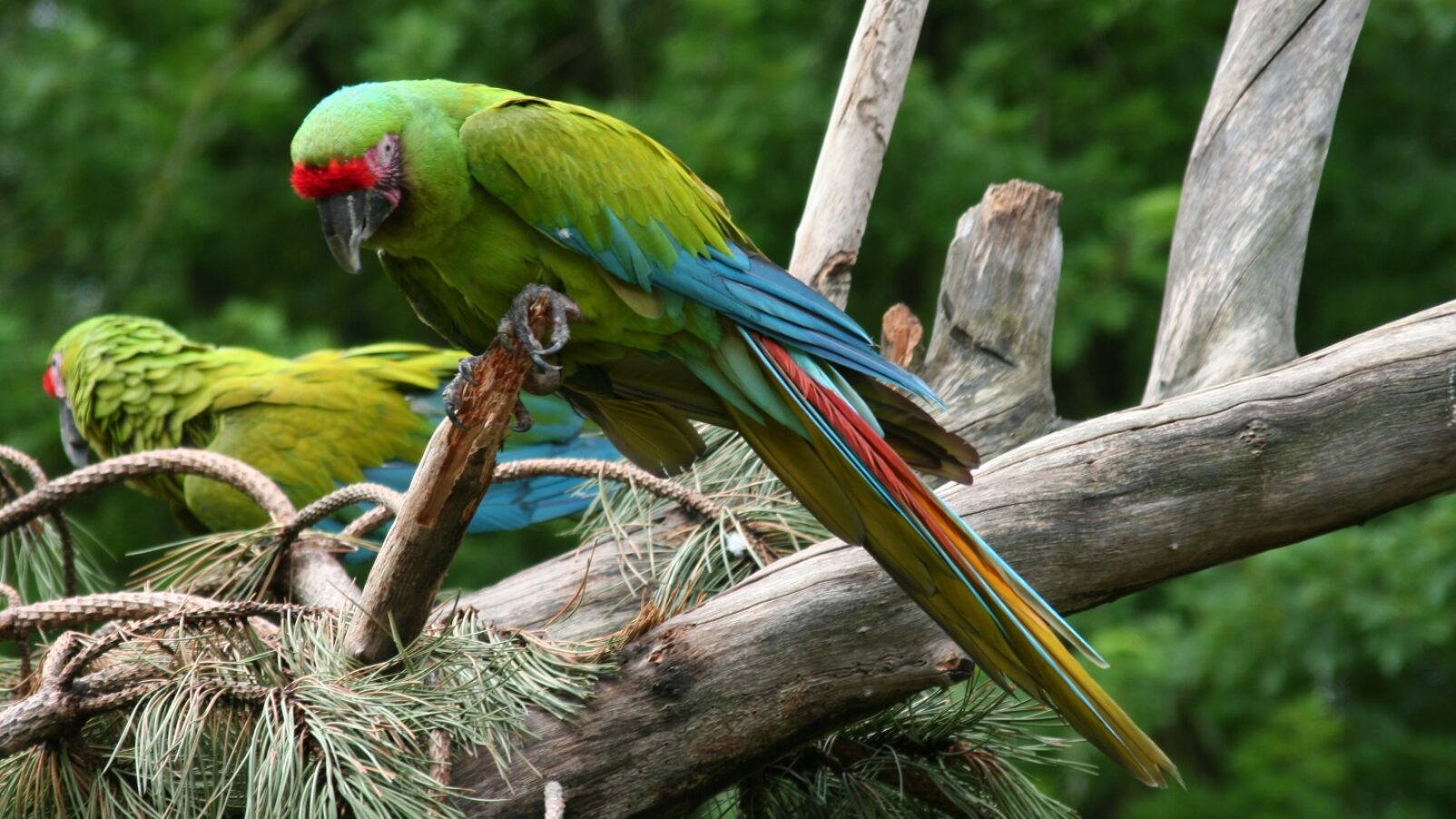
For bird lovers, Indio-Maíz is equally special. Bright green macaws can be heard calling through the canopy, while toucans, parrots, hummingbirds and even the spectacular harpy eagle add flashes of colour and movement to the forest.
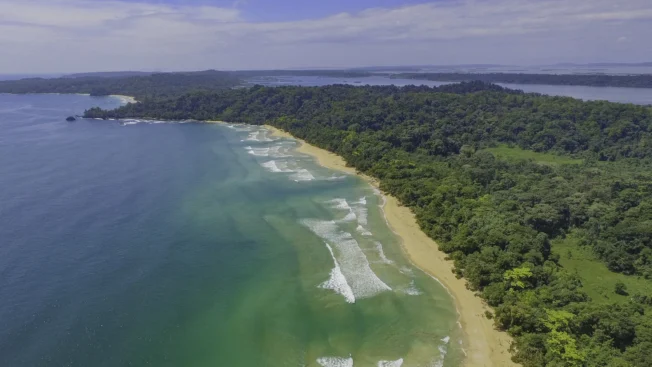
Tucked away in the southeast of Nicaragua, the Indio-Maíz Biosphere Reserve is a remarkable world of dense tropical rainforest, winding rivers, wetlands and ancient trees. Reached by boat along the San Juan River, the journey itself feels like an escape into a wilder, quieter side of Central America.
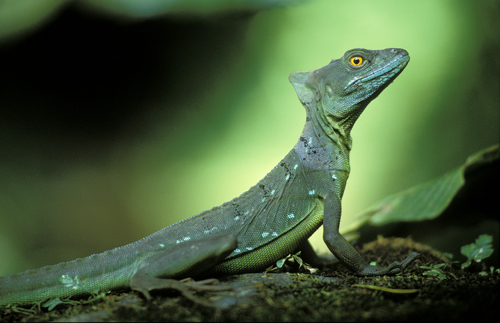
Inside the reserve, nature takes centre stage. Towering forest shelters an extraordinary variety of wildlife, from elusive jaguars, pumas and Baird’s tapirs to sloths, peccaries, manatees and troops of howler, spider and white-faced monkeys.
Walking the forest trails, particularly around the Bartola River, offers a rare sense of being immersed in untouched nature. Crocodiles and turtles inhabit the waterways, while colourful poison-dart frogs can appear beneath the foliage.
A haven for bird lovers

getting there
Getting to Indio-Maíz is part of the experience. From Managua, the journey starts with an overland trip to San Carlos, at the eastern end of Lake Nicaragua. From San Carlos, you take a public boat down the Río San Juan to El Castillo, a journey of around 1½–2½ hours depending on the service. El Castillo is the usual base for visiting the reserve. From here, it’s another boat journey, taking roughly 45 minutes downstream to reach the Indio-Maíz Reserve and the Bartola area.
From Costa Rica, you can cross at the Los Chiles–Las Tablillas border and continue to San Carlos, before following the same route by boat along the Río San Juan to El Castillo and then on to the reserve.
our recommendation
We’ve combined Indio-Maíz into an overland journey through Nicaragua, which means you get to see some of the country’s better-known sights while also reaching places that are less visited. Travelling overland gives the trip a different pace, with time to experience the changing landscapes and smaller communities along the way. From the colonial streets of Granada and the volcanic landscapes around Ometepe to the Río San Juan and Indio-Maíz, the route brings together very different sides of Nicaragua without feeling like you’re simply ticking off the highlights.